

At The Rowans, our group interventions are designed to support pupils in developing essential literacy, communication, social, emotional and thinking skills in a positive, supportive and engaging environment. Sessions are tailored to meet the individual needs and abilities of pupils, helping them build confidence, independence and the skills needed to succeed both in school and everyday life.
Our group interventions focus on developing key skills across literacy, executive functioning, emotional literacy and social development, providing pupils with practical strategies that can be applied across the curriculum and in everyday situations.
Literacy and Communication Skills
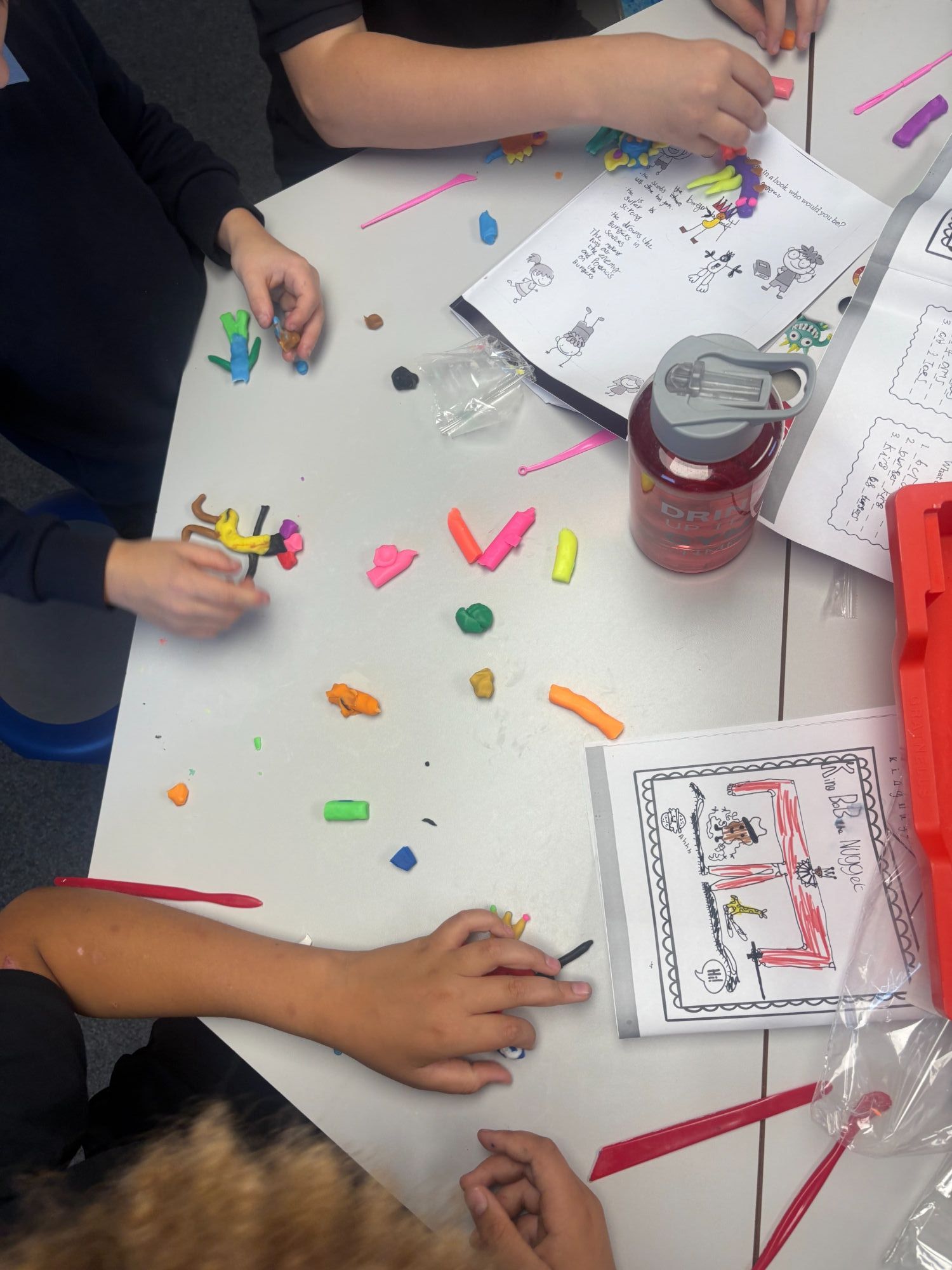 Our group-based literacy interventions focus on six key areas:
-
Vocabulary Development – Expanding pupils' understanding and use of language, introducing new words and encouraging their use in speaking and writing.
- Spelling, Punctuation and Grammar (SPaG) – Strengthening essential writing skills through practical, interactive activities that develop accuracy and confidence.
- Comprehension – Developing pupils' ability to understand, interpret and respond to written information, supporting their learning across the curriculum.
- Oracy – Building confidence in speaking and listening, encouraging pupils to express their ideas clearly and participate in meaningful discussions.
- Communication – Developing effective verbal and non-verbal communication skills, including active listening, turn-taking, understanding different perspectives and expressing thoughts appropriately.
- Critical Thinking – Encouraging pupils to question, analyse information, solve problems and make informed decisions, developing their ability to think independently and creatively.
Executive Functioning Skills
Executive functioning skills are essential for managing everyday tasks, organising thoughts, regulating behaviour and approaching challenges effectively. Our group interventions help pupils develop these important skills through structured activities, practical challenges and collaborative learning experiences.
Sessions focus on developing:
- Planning and Organisation – Learning to break tasks into manageable steps, prioritise activities and organise resources effectively.
- Working Memory – Strengthening the ability to retain, process and use information when completing tasks and following instructions.
- Attention and Focus – Developing strategies to maintain concentration, manage distractions and remain engaged in activities.
- Cognitive Flexibility – Encouraging adaptable thinking, considering alternative approaches and responding positively to changes or unexpected challenges.
- Impulse Control – Supporting pupils to pause, consider consequences and make thoughtful decisions.
- Task Initiation and Completion – Building confidence in starting activities independently, maintaining motivation and working towards completing tasks.
- Self-Monitoring – Encouraging pupils to reflect on their actions, recognise progress and identify strategies for improvement.
Through games, problem-solving activities and real-life scenarios, pupils are encouraged to practise these skills in a supportive environment, helping them become more organised, resilient and independent learners.
Emotional Literacy and Wellbeing
Developing emotional literacy is an important part of our group intervention programme. We aim to help pupils recognise, understand, express and manage their emotions, while developing empathy, self-awareness and positive relationships with others.
Our sessions provide a safe and supportive environment where pupils can explore emotions, share experiences where they feel comfortable and develop practical strategies for managing everyday challenges.
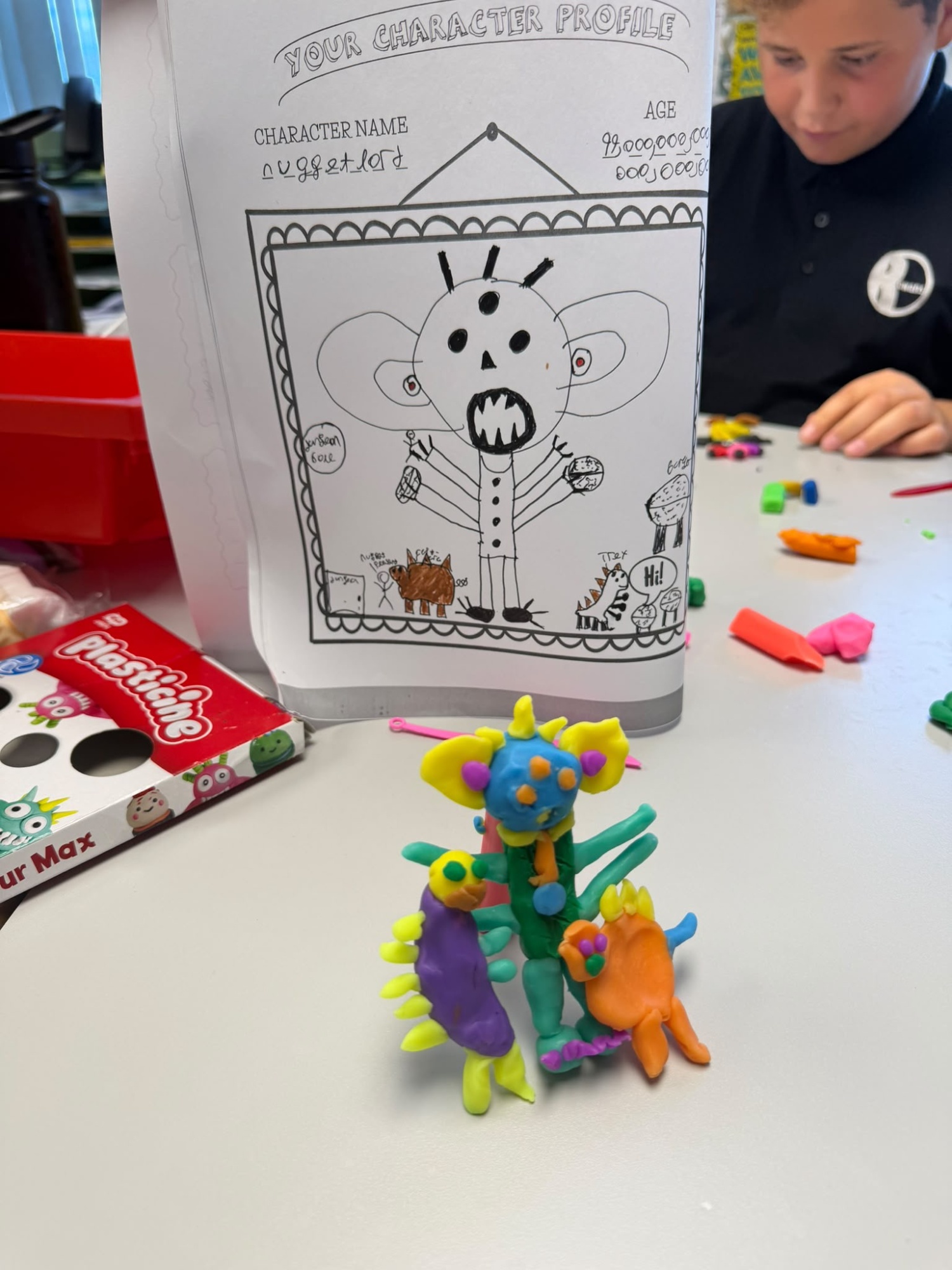 Activities focus on:
- Recognising and Understanding Emotions – Developing the vocabulary and confidence to identify, name and describe different feelings.
- Emotional Regulation – Exploring strategies to manage strong emotions, respond to challenges and develop a greater sense of control.
- Self-Awareness – Helping pupils recognise their individual strengths, emotional triggers and personal responses to different situations.
- Empathy and Understanding Others – Encouraging pupils to recognise different perspectives, understand how others may feel and respond with kindness and respect.
- Building Resilience – Developing confidence in managing setbacks, coping with change and approaching challenges positively.
- Positive Relationships – Supporting pupils to develop trust, establish appropriate boundaries, resolve disagreements and communicate their needs effectively.
- Self-Esteem and Confidence – Encouraging pupils to recognise their achievements, celebrate their strengths and develop a positive sense of self.
Through discussions, creative activities, games and practical exercises, pupils are supported to develop emotional understanding and strategies that promote positive mental health and wellbeing.
Learning Through Collaboration
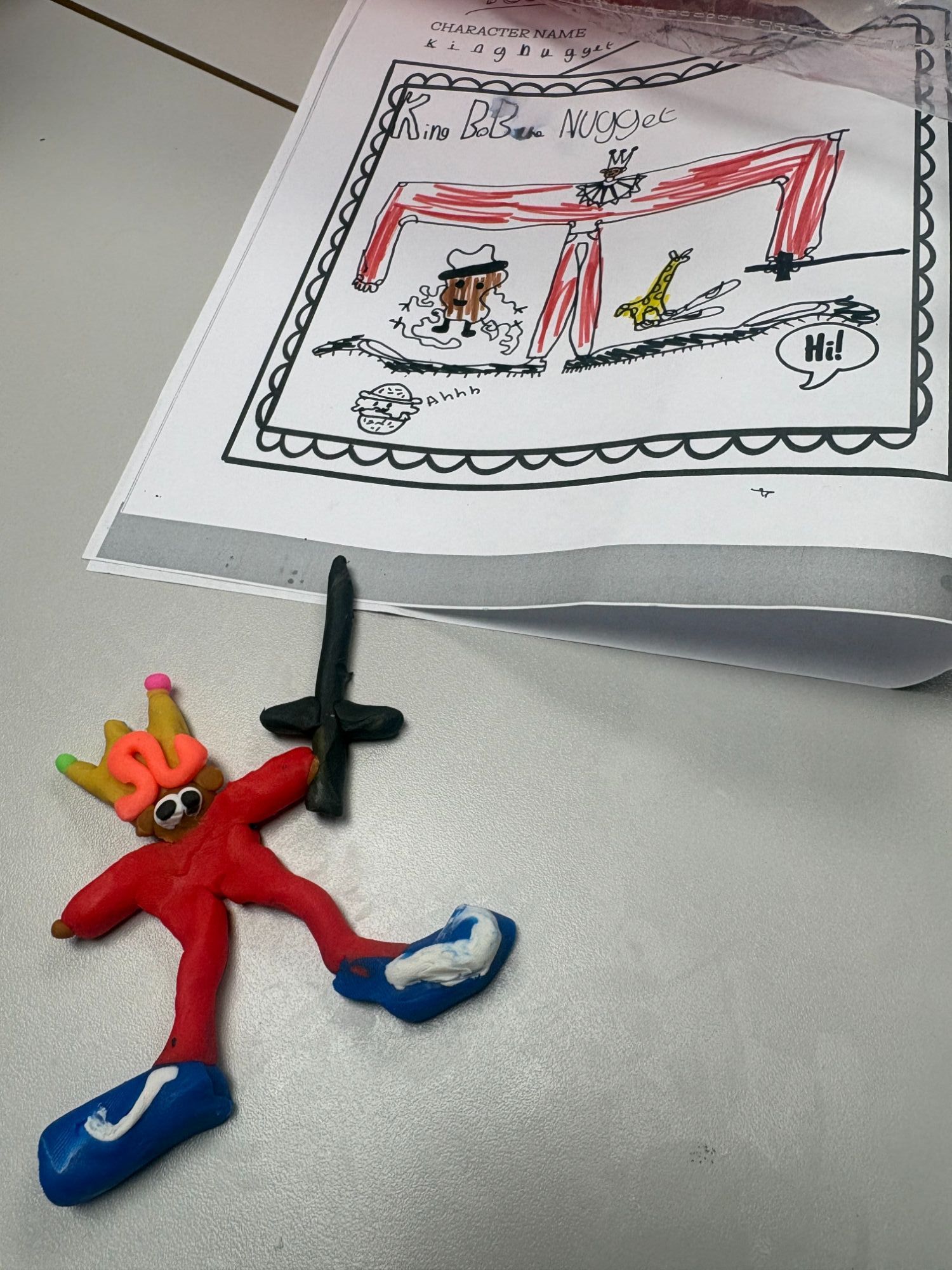 Our group interventions incorporate a variety of interactive activities, games, group discussions, creative tasks and collaborative challenges to make learning enjoyable, accessible and meaningful.
Alongside developing academic, emotional and executive functioning skills, group interventions provide valuable opportunities for pupils to strengthen their social development.
Working together encourages teamwork, cooperation, problem-solving, self-management and mutual respect. Pupils are supported to listen to others, share their ideas, celebrate achievements and develop positive relationships with their peers.
Activities are adapted to ensure that every pupil can participate, experience success and make progress at their own pace.
Building Skills for the Future
Our aim is to equip pupils with the essential skills, confidence and independence needed to engage positively in learning, relationships and everyday life.
By combining literacy development, executive functioning, emotional literacy and collaborative learning, our group interventions support pupils in becoming more confident learners, effective communicators, and independent problem-solvers.
The skills developed extend beyond the classroom, helping pupils manage everyday responsibilities, build positive relationships, make informed decisions, and prepare for the challenges and opportunities of adulthood.
Above all, we aim to create a nurturing and encouraging environment where pupils feel valued, enjoy learning, recognise their strengths and develop the confidence to reach their full potential.