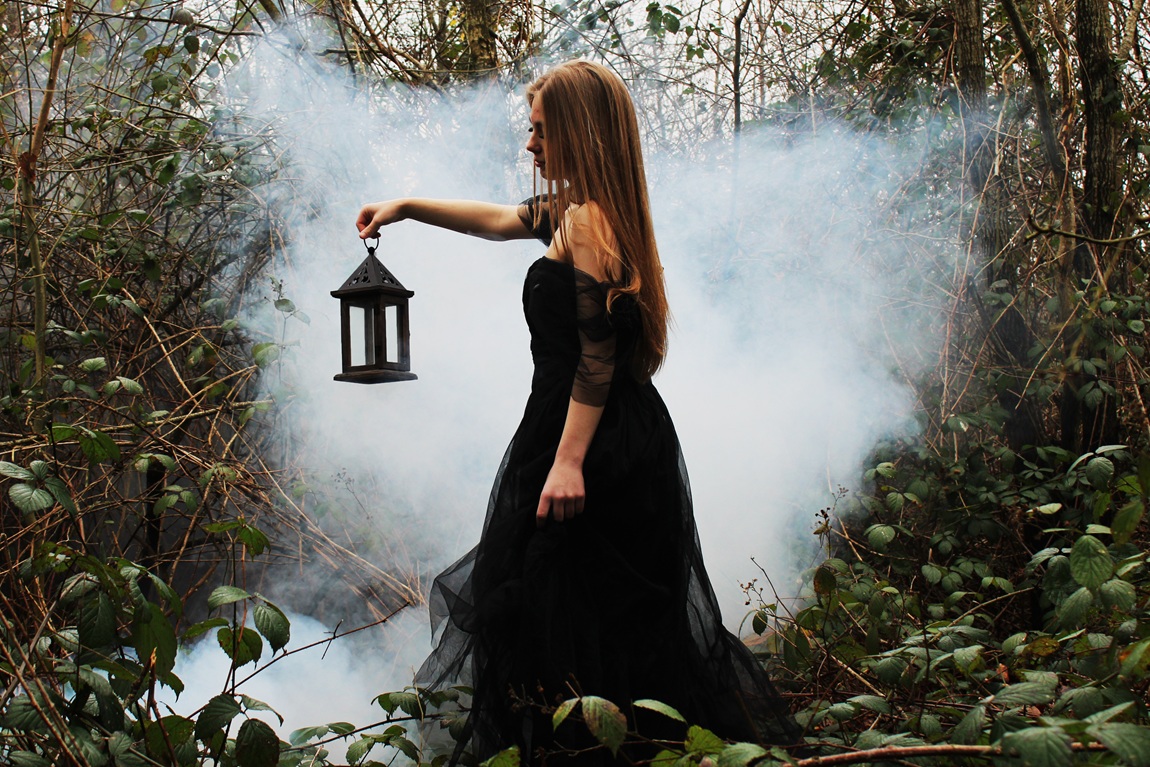

GCSE Photography is a creative course designed for students who have a passion for visual arts, photography and digital image manipulation. The course encourages learners to explore the world through a camera lens while developing their artistic skills, creativity and technical knowledge.
Photography is more than simply taking pictures. Throughout the course, students investigate the work of professional photographers and artists, analyse different photographic styles, and use these influences to inform their own outcomes. Learners are encouraged to think independently, experiment with ideas, and develop a personal response to a range of themes.
What does the course look like?
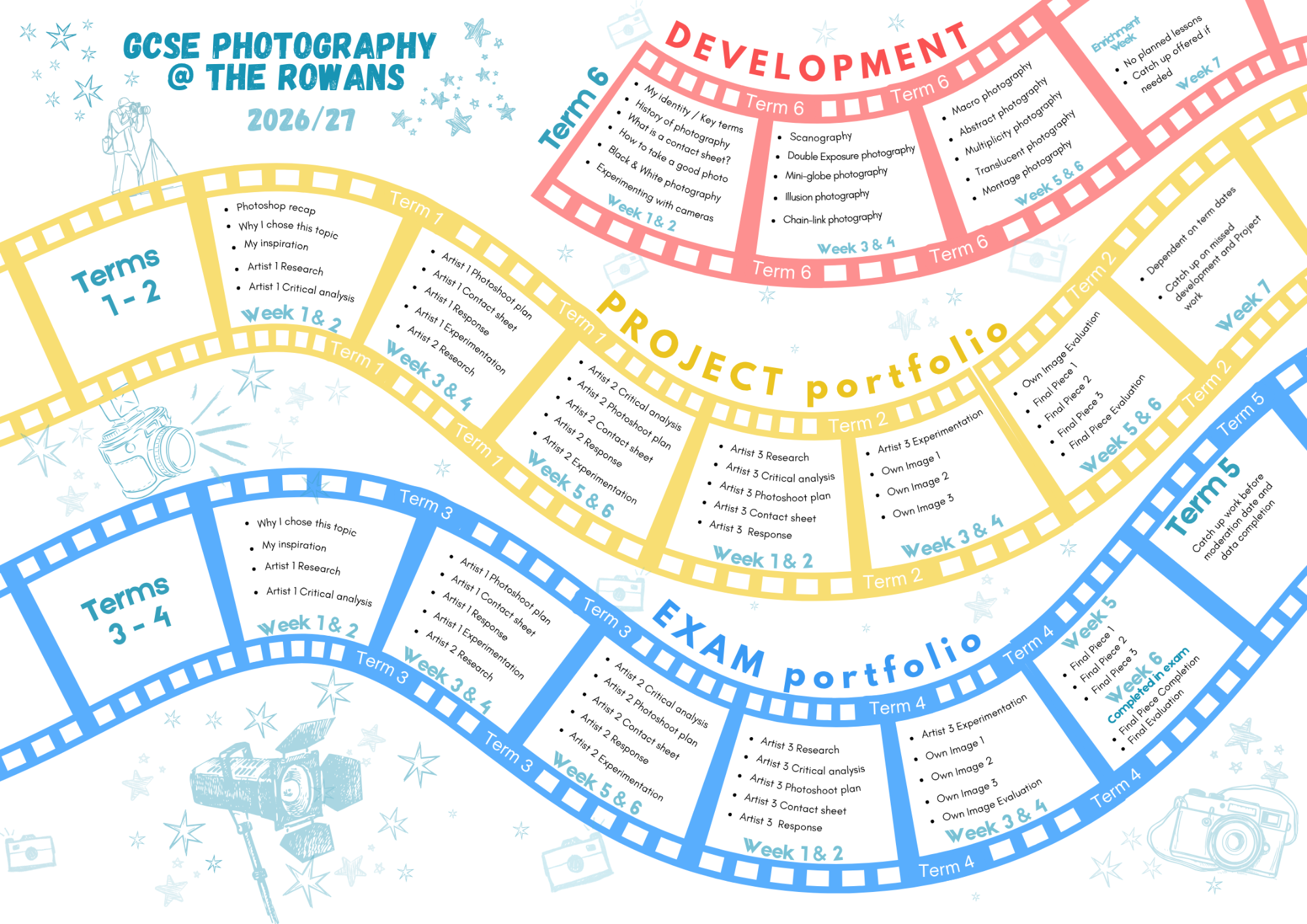
During the course, students will complete three portfolios: Development, Project & Exam.
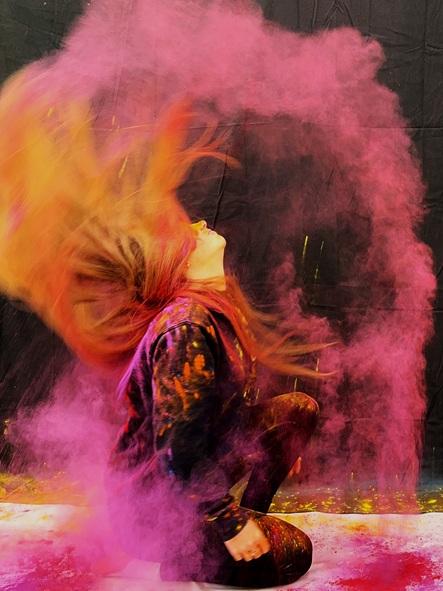
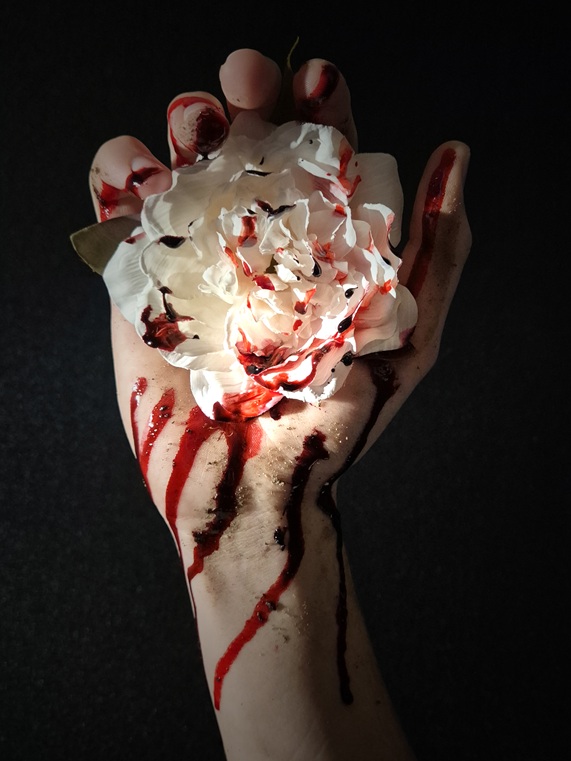
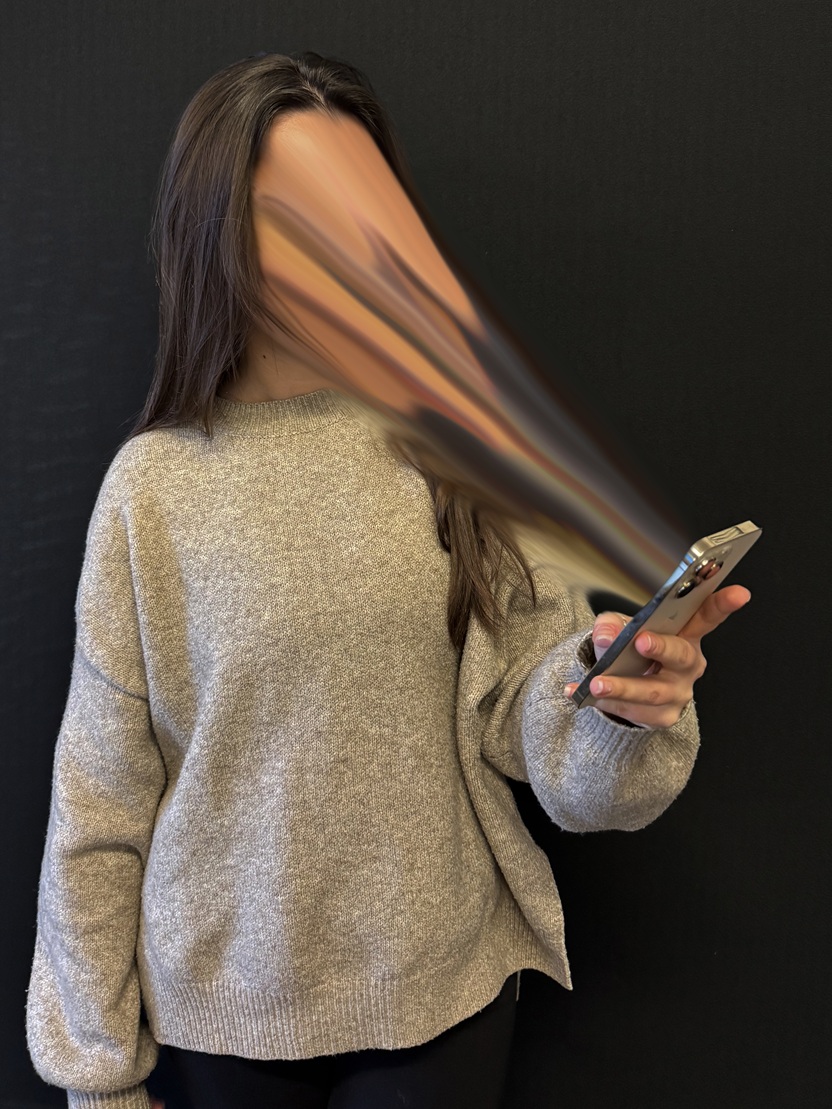
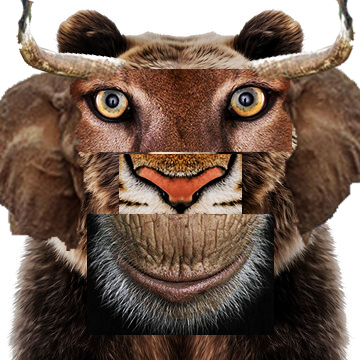
Development: Pupils start the course by completing a skills-based portfolio. This includes experimenting with different cameras and settings, learning Photoshop basics and manipulating images in a variety of ways. Some examples are: turning photos black and white, taking abstract photos, manipulating images to create illusion and mastering the art of scenography. This project is a great starting point for pupils who are new to photography, and allows then to explore many different skills which they will later use in their sustained portfolios.
Project: Pupils then move on to a second folder of work. This portfolio acts as an exploration of a key word/theme. Pupils have free-reign over which word they choose, from a number of examples and topics. Once decided, this word is to be explored in the pupil’s own individual style, following detailed research and experimentation. At the end of the project, pupils are tasked with creating one final piece which is displayed in a professional and eye-catching way.
Exam: At the start of Term 3, pupils are assigned an exam, where they are to choose from a selection of new words provided from the AQA exam board. This is to be explored in a very similar way to their project portfolio; the use of Photoshop and image manipulation is key, and pupils are expected to experiment freely with their designs and reflect upon these, evaluating failure and success along the way. At the end of this, in Term 4, pupils sit an independent 10-hour photography exam. This is a relaxed exam, and often pupils most enjoyable one! And it is where the exam final piece is created, resulting in individual, creative and real show stopping pieces.
The best bit? Both final pieces are later displayed in an Art and Design Exhibition in June, where parents, pupils, staff and trustees are invited from across the trust to view pupils’ work displayed in a gallery-style setting. This is always a really exciting time for the school and an excellent chance for pupils to see all of their hard work come together.
Skills Developed
GCSE Photography helps students develop a wide range of valuable and transferable skills that can be applied across many subjects and future career pathways and are highly valued in both further education and employment. These include:
- Creativity and imagination
- Visual communication
- Critical thinking and analysis
- Independent research skills
- Problem-solving and decision-making
- Technical photography and image-editing skills
- Project planning and time management
- Evaluative skills
Future Opportunities
GCSE Photography provides an excellent foundation for further study in Photography, Art and Design, Media Studies and Creative Digital Media. It can lead to college courses, apprenticeships, A Levels, vocational qualifications, and even university courses within the creative industries.
Potential career pathways include:
- Professional Photographer
- Photojournalist
- Graphic Designer
- Digital Content Creator
- Marketing and Social Media Specialist
- Film and Television Production
- Advertising and Branding
- Fashion Photography
- Web and Multimedia Design
- Creative Arts and Design
Staff: Miss Calder